

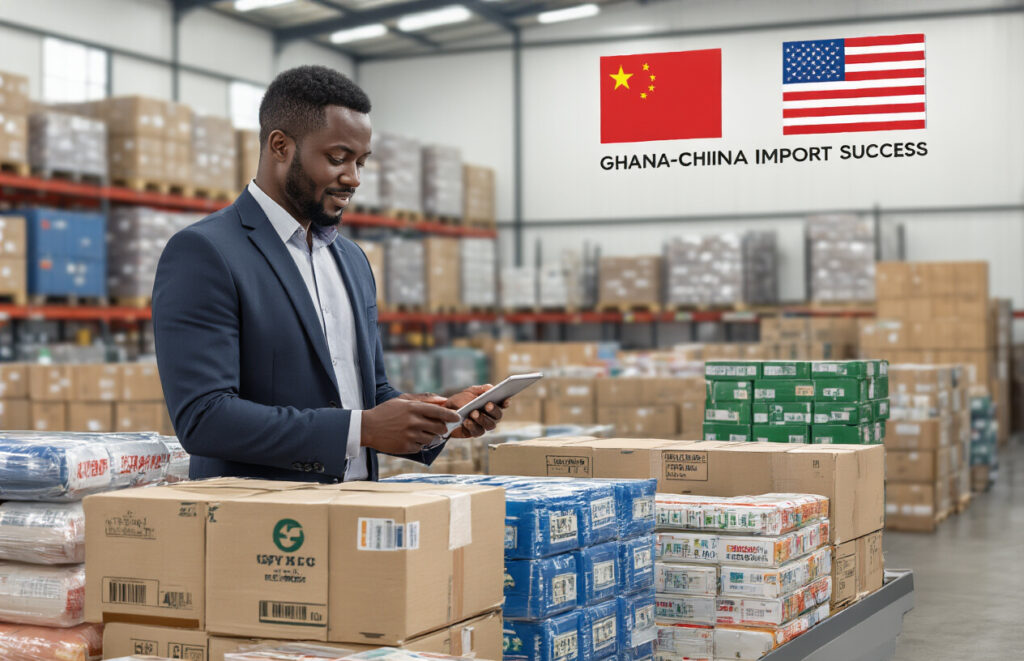
Exposed: The Forbidden Chinese Import Hack That’s Making Ghanaians Rich
Tired of watching others build wealth while you struggle? Ambitious Ghanaians are discovering how direct importing from China can transform their financial future. This guide breaks down the real opportunities in Ghana-China trade for everyday entrepreneurs ready to take action.
We’ll show you how to legally set up your import business, research profitable products, and connect with trustworthy Chinese suppliers. Plus, you’ll learn practical ways to manage shipping logistics and secure funding to grow your business from scratch.
Understanding the Ghana-China Import Opportunity
A. Current market demand for Chinese products in Ghana
The hunger for Chinese products in Ghana isn’t just big—it’s massive and growing every day. Walk through any market in Accra or Kumasi and you’ll see Chinese goods dominating the shelves. From electronics to textiles, Ghanaians can’t get enough.
Why? Simple economics. Chinese products offer what locals want: affordable prices with decent quality. Your average Ghanaian consumer is price-conscious but still expects functionality, making Chinese imports the perfect sweet spot.
The numbers back this up. Trade volume between Ghana and China has exploded by over 60% in the last five years. You’re looking at a market where demand consistently outstrips supply, especially in:
- Smartphones and accessories
- Home appliances
- Construction materials
- Fashion items and textiles
- Automotive parts
B. Profitable product categories to consider
Ready to make serious money? Focus on these high-margin categories:
Electronics and Gadgets
The markup on phones, tablets, and accessories can reach 100-200%. You’re looking at products that cost you $10 in China but sell for $20-30 in Ghana.
Construction Materials
Building boom means big bucks. Items like tiles, fixtures, and affordable lighting systems fly off shelves with 40-70% margins.
Beauty and Personal Care
Chinese cosmetics, wigs, and skincare products are gold mines. Your female customers will keep coming back, creating recurring revenue streams.
Solar Products
With Ghana’s energy challenges, solar lamps, chargers, and home systems practically sell themselves. You’ll struggle to keep inventory.
Fashion and Textiles
Chinese fabrics cost a fraction of what locals pay for similar quality. Smart importers are making 80-150% margins on these items.
C. Trade relations between Ghana and China
The Ghana-China relationship has transformed dramatically in your favor. What started as basic trade has evolved into a strategic partnership with China investing over $2 billion in Ghanaian infrastructure.
This relationship gives you unique advantages:
- Simplified import procedures compared to Western countries
- Direct shipping routes reducing your logistics costs
- Trade agreements that cut tariffs on many product categories
- Chinese business hubs in Accra where you can network with suppliers
- Financing options specifically for Ghana-China trade
The Chinese government actively encourages exports to West Africa, meaning you’ll find suppliers eager to work with Ghanaian importers. They’ll often offer better terms than they would to importers from other regions.
D. Success stories of import businesses in Ghana
Real people just like you are making fortunes in this space:
Take Emmanuel from Tema, who started with just $5,000 importing phone accessories. Within 18 months, he scaled to a $300,000 annual business with three retail outlets.
Or consider Sarah’s story. She began importing Chinese fabrics to sell to local tailors. Today, she runs a wholesale operation supplying over 200 businesses across Ghana and employing 15 people.
The common thread? These success stories aren’t about people with special connections or huge starting capital. They simply understood three things:
- Find products with high margins and quick turnover
- Build direct relationships with Chinese manufacturers
- Solve a specific pain point for Ghanaian consumers
You don’t need to reinvent the wheel. The path has been cleared by others who’ve already proven this model works in the Ghanaian market.
Legal Requirements for Starting an Import Business

A. Business registration and licensing process
Before you can start importing those lucrative Chinese products, you need to handle the paperwork first. Get your business officially registered with the Registrar General’s Department by securing a business name and certificate of incorporation. This isn’t just bureaucracy – it’s your ticket to legitimacy.
Next, you’ll need a Ghana Investment Promotion Centre (GIPC) registration if your business has foreign involvement. Don’t skip this – it’s mandatory!
The game-changer? Securing your import license from the Ministry of Trade and Industry. Without this, customs won’t even look at your shipments. The application process takes about 2-3 weeks if your documents are in order.
B. Import permits and documentation
Your paperwork journey is just beginning! For each shipment, you’ll need:
- Commercial invoice from your Chinese supplier
- Packing list (details matter here)
- Bill of lading or airway bill
- Certificate of origin
Depending on what you’re importing, you might need product-specific permits too. Electronics? Food items? Pharmaceuticals? Each category has its own requirements from agencies like the Food and Drugs Authority.
Pro tip: Get familiar with the Ghana TradeNet system (GCNet). This electronic platform handles import declarations and duty payments. You’ll thank yourself later for mastering this system early.
C. Tax obligations and customs duties
Nobody likes talking taxes, but this knowledge will save you thousands. As an importer, you’re looking at:
| Tax Type | Typical Rate | Notes |
|---|---|---|
| Import Duty | 0-35% | Depends on product category |
| VAT | 12.5% | Calculated on item value + duty |
| NHIL | 2.5% | Health insurance levy |
| GetFund Levy | 2.5% | Education fund contribution |
| ECOWAS Levy | 0.5% | Regional fee |
The smart move? Budget for these costs before finalizing your pricing strategy. Many new importers get blindsided by these fees and watch their profits vanish.
D. Foreign exchange regulations
Ghana’s foreign exchange rules can make or break your import business. The Bank of Ghana requires all import transactions above $5,000 to go through formal banking channels. No exceptions.
You’ll need to complete a Foreign Exchange Form (Form A2) for each international transfer. Your bank will help with this, but they’ll want to see your import documentation first.
Currency fluctuations between the Cedi and Yuan can seriously impact your bottom line. Consider opening a foreign currency account to mitigate some of this risk, or explore forward contracts if your volumes justify it.
E. Compliance with Ghana Standards Authority
Think you can import just anything? Think again. The Ghana Standards Authority (GSA) enforces strict quality standards on imports to protect consumers.
Before your Chinese goods arrive, they need to undergo:
- Pre-shipment inspection in China
- Conformity assessment testing
- Product certification verification
Many categories require a Certificate of Conformance before clearing customs. Getting caught with non-compliant products isn’t just expensive – it can get your entire shipment destroyed and your import license revoked.
Smart importers partner with inspection agencies in China to verify quality before shipping. It costs more upfront but saves you from expensive disasters later.
Market Research and Product Selection

A. Identifying profitable niches with high demand
The secret to making it big in the Ghana import game? Finding that sweet spot where demand is high but supply is scarce. You need to spot those product categories where Ghanaians are hungry for options but can’t find them locally.
Start by checking out shopping centers in Accra, Kumasi, and Takoradi. What are people buying? What’s flying off the shelves? Electronics, fashion items, and household goods often top the list. But don’t just follow the crowd – look for the gaps.
Social media is your goldmine for trend-spotting. What are Ghanaians posting about? What products are they wishing they could get their hands on? Facebook groups and Instagram hashtags like #GhanaWants or #AccraStyle can reveal untapped opportunities.
B. Analyzing competition and pricing strategies
Before jumping in, scout your competition. Who’s already importing similar products? Visit Makola Market, Kejetia Market, or Kantamanto and see what Chinese imports are selling for.
Your pricing sweet spot sits right here:
| Price Point | Market Response | Your Strategy |
|---|---|---|
| Too high | Slow sales, customers walk away | Negotiate better with suppliers |
| Too low | Quick sales but tiny profits | Gradually increase as you build reputation |
| Just right | Steady sales, healthy margins | Maintain and scale up imports |
The magic formula? Import cost + shipping + duties + 30-40% markup = your selling price.
C. Evaluating product quality standards for Ghana market
Ghanaians are getting smarter about quality. That cheap, break-in-a-week product won’t cut it anymore. You need to balance affordability with durability.
When sourcing from China, request samples before placing bulk orders. Test everything yourself. Would you use this product? Would you give it to your family?
Remember Ghana’s tropical climate when selecting products. Electronics need to withstand humidity. Fabrics should be breathable. Plastics must not warp in the heat.
D. Seasonal trends and cultural considerations
Timing is everything in this business. You’ll hit jackpot importing:
- School supplies in August before the academic year starts
- Christmas decorations and gifts by October
- Wedding items during the December wedding season
- Umbrellas and rain gear before May-June rains
Cultural sensitivity matters too. Products with traditional Ghanaian colors (red, yellow, green) often sell better. Religious items should respect both Christian and Muslim sensibilities since Ghana has significant populations of both.
The Chinese New Year (January-February) can delay shipments for weeks. Plan your ordering schedule to avoid this manufacturing shutdown, or you’ll miss your selling window in Ghana.
Finding Reliable Chinese Suppliers
Online marketplaces and platforms
Finding reliable Chinese suppliers starts with knowing where to look. Platforms like Alibaba, Global Sources, and Made-in-China are goldmines for connecting with thousands of manufacturers. Create an account, search for your desired products, and filter results based on verified suppliers.
Don’t just stick to the big names though. DHgate and AliExpress work great for smaller orders when you’re testing the waters. The trick? Look for suppliers with Trade Assurance protection, detailed product specifications, and transparent pricing.
When messaging potential suppliers, be specific about your requirements from the start. Ask for samples before placing bulk orders – this simple step saves you massive headaches down the road.
Attending trade shows and exhibitions
Nothing beats meeting suppliers face-to-face. The Canton Fair in Guangzhou happens twice yearly and brings together over 25,000 exhibitors. It’s the holy grail of sourcing trips. Pack comfortable shoes – you’ll be walking for days!
Other worthwhile events include:
- China International Import Expo (Shanghai)
- East China Fair (Shanghai)
- Hong Kong Electronics Fair
Prepare before you go: research exhibitors, bring business cards, and have a clear agenda. Take photos of products, collect catalogs, and make notes after each conversation.
Working with sourcing agents
Can’t make the trip to China? A good sourcing agent becomes your eyes and ears on the ground. They speak the language, understand cultural nuances, and can negotiate better prices than you could alone.
Your agent can:
- Find suppliers matching your exact requirements
- Verify factory credentials
- Handle quality control inspections
- Manage shipping logistics
Ask for references before hiring and establish clear communication channels. The right agent is worth their weight in gold.
Vetting suppliers and avoiding scams
Trust your gut, but verify everything. Request business licenses and check if they’re legally registered through China’s National Enterprise Credit Information Publicity System.
Red flags to watch for:
- Unusually low prices (if it seems too good to be true, it probably is)
- Reluctance to provide samples
- Pressure to send money via unsecured methods
- Vague answers about production capabilities
Always start with smaller orders to test reliability. Consider using escrow services for payments and hire third-party inspection companies for quality control. These extra steps might seem tedious, but they’re your safety net in international trade.
Logistics and Supply Chain Management
A. Shipping options and costs comparison
Getting your products from China to Ghana doesn’t have to break the bank. Your shipping choice can make or break your profit margins, so pay attention.
Air Freight – Fast but pricey. Perfect when you need those hot-selling items ASAP. Expect to pay $5-7 per kg.
Sea Freight – The budget-friendly option most successful importers use:
- FCL (Full Container): Great for large orders
- LCL (Less than Container Load): Perfect when starting out
Express Courier – Think DHL, FedEx. Convenient for samples or small orders under 200kg.
| Method | Cost | Transit Time | Best For |
|---|---|---|---|
| Air Freight | $5-7/kg | 5-10 days | Urgent, high-value items |
| Sea FCL | $2,000-3,500/container | 35-45 days | Bulk orders |
| Sea LCL | $35-45/CBM | 40-50 days | Medium-sized orders |
| Express | $8-12/kg | 3-7 days | Samples, small items |
B. Customs clearance procedures
Customs clearance in Ghana isn’t the nightmare many make it out to be – if you know what you’re doing.
You’ll need:
- Commercial invoice
- Bill of lading/airway bill
- Packing list
- ECOWAS Certificate (if applicable)
Pro tip: Work with a customs broker from day one. Their fees ($100-200) will save you thousands in potential delays and penalties.
The Ghana Integrated Customs Management System (ICUMS) has streamlined the process. Register yourself on the platform to track your shipments in real-time.
Remember to factor in import duties (5-20% depending on product) and 12.5% VAT into your pricing strategy.
C. Warehousing and inventory management
Smart warehousing can dramatically cut your overhead costs. Most successful Ghana importers follow this playbook:
Start with a shared warehouse space in Tema or Accra’s industrial areas. Prices range from $2-5 per square meter monthly.
As you scale, consider these inventory management approaches:
- Just-in-Time: Minimize storage costs by timing shipments with demand
- Dropshipping: Skip warehousing entirely (works for certain product categories)
- 3PL services: Companies like DHL Supply Chain handle everything for a fee
Digital inventory tracking is non-negotiable. Even a simple spreadsheet beats manual methods. When you hit consistent monthly sales, upgrade to inventory management software like Zoho Inventory or even local solutions like mPedigree.
D. Last-mile delivery solutions
Getting products from your warehouse to customers across Ghana requires strategy. Your options:
In-house delivery team: Complete control but expensive to maintain. Works best when you’re selling high-ticket items where delivery experience matters.
Third-party services: Companies like Swoove, GhanaPost GPS, and Jumia Logistics offer flexible delivery options nationwide. Expect to pay GH₵15-50 per delivery depending on weight and distance.
Pick-up points: Set up collection points in major towns to reduce delivery costs by up to 40%.
The hidden advantage? Many Chinese suppliers will negotiate better terms once you prove you’ve solved the delivery puzzle in Ghana.
E. Managing shipping delays and contingencies
Shipping delays happen to everyone. What separates successful importers from failures is how they handle these hiccups.
Build buffer time into every order. For sea freight, add at least 2 weeks to quoted delivery times.
Create a contingency fund – 5% of your order value is a good starting point. This covers unexpected port charges, storage fees during delays, or expedited shipping if needed.
Diversify your suppliers. Working with 2-3 reliable factories means you’re never completely out of stock when one shipment gets delayed.
Communication is your secret weapon. When delays happen, immediately:
- Notify affected customers with realistic timelines
- Offer alternatives or small discounts for patience
- Check if air shipping critical components is more cost-effective than losing customers
The most successful Ghana importers actually turn shipping delays into opportunities to demonstrate superior customer service.
Financing Your Import Business
A. Startup capital requirements
Starting your import business between Ghana and China doesn’t require millions of cedis. You’ll need about GHS 10,000-30,000 to begin a small operation. This covers your business registration (approximately GHS 500), initial product samples (GHS 1,000-3,000), and your first small order.
Many successful importers started with just enough money to bring in a single product line. The key is starting small and reinvesting your profits. You don’t need to rent a fancy office right away – many beginners operate from home until they’ve established consistent revenue.
B. Payment methods for international transactions
Chinese suppliers typically accept these payment methods:
| Method | Pros | Cons |
|---|---|---|
| T/T (Wire Transfer) | Widely accepted, lower fees | No protection if goods aren’t as described |
| PayPal | Buyer protection, convenient | Higher fees, some suppliers reluctant |
| Alibaba Trade Assurance | Protection until goods verified | Limited to Alibaba platform |
| Letter of Credit | Secure for large orders | Complex setup, bank fees |
For new importers, start with smaller orders using Trade Assurance or PayPal before moving to wire transfers for larger amounts.
C. Currency exchange considerations
The cedi-dollar-yuan exchange rate directly impacts your profits. Always factor in:
- Current exchange rates when calculating costs
- Potential currency fluctuations (build in a 5-10% buffer)
- Bank conversion fees (1-3% typically)
- Timing your conversions when rates are favorable
Smart importers maintain USD accounts to avoid multiple conversions. This lets you pay suppliers directly in dollars without converting to cedis first.
D. Accessing loans and investment opportunities
Ghana offers several financing options for your import business:
- MASLOC loans specifically for small businesses (3-15% interest rates)
- Commercial bank business loans (20-25% interest)
- Microfinance institutions offering flexible terms
- Angel investors looking for import-export opportunities
The Ghana Export-Import Bank occasionally provides special funding for importers who plan to add value locally before selling. Your best approach is preparing a solid business plan showing clear market research and profit projections when approaching any funding source.
Building Your Brand and Marketing Strategy
A. Creating a compelling business identity
Want to stand out in the crowded import business space? Your brand identity matters more than you think. Pick a memorable business name that connects with Ghanaian consumers while hinting at your Chinese import expertise. Your logo should be simple yet distinctive – something that works well on packaging, social media, and business cards.
Your brand story is crucial too. Why did you start importing? What problems are you solving for Ghanaians? Maybe you noticed quality electronics were too expensive locally, and you found a way to make them affordable. That’s a story worth telling.
Don’t forget to define your unique selling proposition. Are you offering:
- The fastest shipping from China?
- The widest selection of products?
- The most competitive prices?
- Superior product quality assurance?
Pick your lane and own it.
B. Digital marketing tactics for import businesses
The digital landscape is your playground for growing your import business. Start with a clean, mobile-friendly website showcasing your products with high-quality images and clear pricing.
Social media is non-negotiable. Instagram works wonders for visually appealing products, while Facebook groups can help you build a community around your imports. Show behind-the-scenes content of your sourcing trips to China – Ghanaians love seeing the process!
Try these proven digital tactics:
- Create short videos comparing local prices with your imported alternatives
- Run targeted Facebook ads to specific Ghanaian demographics
- Use WhatsApp Business for direct customer communication
- Partner with micro-influencers who can showcase your products authentically
- Start an email newsletter with exclusive deals for subscribers
C. Establishing retail partnerships
Don’t try to conquer Ghana alone. Retail partnerships can exponentially grow your reach without the overhead of multiple locations.
Start by identifying retailers whose customer base matches your target market. Prepare a compelling partnership proposal highlighting:
- Your profit margins for retailers
- Minimum order quantities
- Delivery schedules
- Marketing support you’ll provide
- Return policies
Consider consignment arrangements for hesitant retailers – it lowers their risk while giving your products valuable shelf space. Once you’ve proven sales, negotiate better terms.
Visit potential partners in person whenever possible. Ghanaians value face-to-face interactions, and you’ll better understand their customer needs and store layout.
D. Customer service excellence for repeat business
The secret to long-term success? Keeping customers coming back. Set up multiple customer service channels – phone, WhatsApp, email, and social media. Respond quickly, ideally within hours, not days.
Create a hassle-free return policy. Yes, it’s complicated with imports, but customers need confidence when buying products they haven’t seen in person.
Consider these customer retention strategies:
- Loyalty programs with points for purchases
- Referral bonuses for customers who bring new business
- Birthday discounts or gifts
- Exclusive pre-orders on new shipments from China
- Customer appreciation events
Follow up after purchases with a simple message: “How are you enjoying your product?” This shows you care and opens the door for valuable feedback or additional sales.
Scaling Your Ghana-China Import Business

A. Expanding your product range strategically
Once you’ve got your feet wet in the Ghana-China import business, it’s time to think bigger. Start by analyzing what’s selling best and why. Don’t just add random products – expand into related categories that your current customers already need.
Want to know a secret? The real money isn’t in chasing trends but in finding product gaps your competitors haven’t noticed. Talk to your customers constantly. They’ll tell you exactly what they’re struggling to find in Ghana.
Try this approach: add just 2-3 new products monthly rather than 20 at once. You’ll keep your quality control tight and won’t stretch your capital too thin.
B. Developing direct manufacturer relationships
Cut out those middlemen! They’re eating your profits. When you work directly with Chinese factories, you’ll get better pricing, customization options, and priority during busy production seasons.
Start by visiting China yourself. Nothing beats face-to-face meetings to build real relationships. Can’t travel? Use video calls instead of just emails. Show your face, learn a few Chinese phrases, and watch how differently you’ll be treated.
The magic happens when manufacturers start treating you as a partner, not just another order. That’s when they’ll call you first about new products, give you better payment terms, and prioritize your shipments.
C. Building a distribution network
Your import business hits a ceiling when you’re the only one selling. The solution? Build a distribution network that sells while you sleep.
Start recruiting small retailers who can move your products in different regions. Give them exclusive territories and attractive margins. Your job shifts from just selling products to supporting your distributors with marketing materials, training, and reliable supply.
The beauty of this approach? Your business grows without proportionally increasing your workload. With 10 good distributors, you can easily 5x your volume without 5x the effort.
Don’t neglect online channels either. Set up systems for wholesalers to order directly through WhatsApp, a simple website, or even Facebook groups.
D. Leveraging technology for business growth
Tech isn’t just for tech companies – it’s your secret weapon for scaling imports. Simple inventory management software helps you avoid the nightmare of overstocking or stockouts. Payment platforms like mobile money services streamline how you collect from customers.
Try these game-changers:
- Cloud-based inventory systems that alert you when stock hits reorder points
- Social media marketing tools to showcase new arrivals
- Automated payment reminders for your credit customers
- Simple CRM systems to track customer preferences
The small businesses crushing it in Ghana-China trade aren’t necessarily the biggest – they’re the ones using tech to operate more efficiently than competitors.
E. Considering export opportunities to neighboring countries
Why limit yourself to Ghana? Once your import system runs smoothly, neighboring countries offer massive growth potential.
Togo, Burkina Faso, Côte d’Ivoire – they all need the same products, often at higher prices than Ghana. Start by finding partners in these countries rather than setting up your own operations.
The cross-border traders already making these trips are your perfect partners. They know the routes, customs procedures, and local markets. Offer them better products and pricing than they can source themselves.
Remember that each country has different regulations and consumer preferences. Don’t assume what works in Ghana will automatically succeed elsewhere. Start with small test shipments to prove the concept before scaling up.
The Ghana-China import business represents a significant opportunity for Ghanaian entrepreneurs willing to navigate international trade. By understanding the legal requirements, conducting thorough market research, and establishing relationships with reliable Chinese suppliers, you can build a profitable import enterprise. Managing logistics effectively and securing appropriate financing are crucial steps that separate successful importers from those who struggle.
Your journey doesn’t end with simply bringing products into Ghana. Building a recognizable brand, implementing strategic marketing, and continually refining your business model are essential for long-term success. With dedication, careful planning, and the knowledge shared in this guide, you can join the growing number of Ghanaians who have transformed their financial futures through China-Ghana trade. Start small, learn continuously, and watch your import business flourish.