

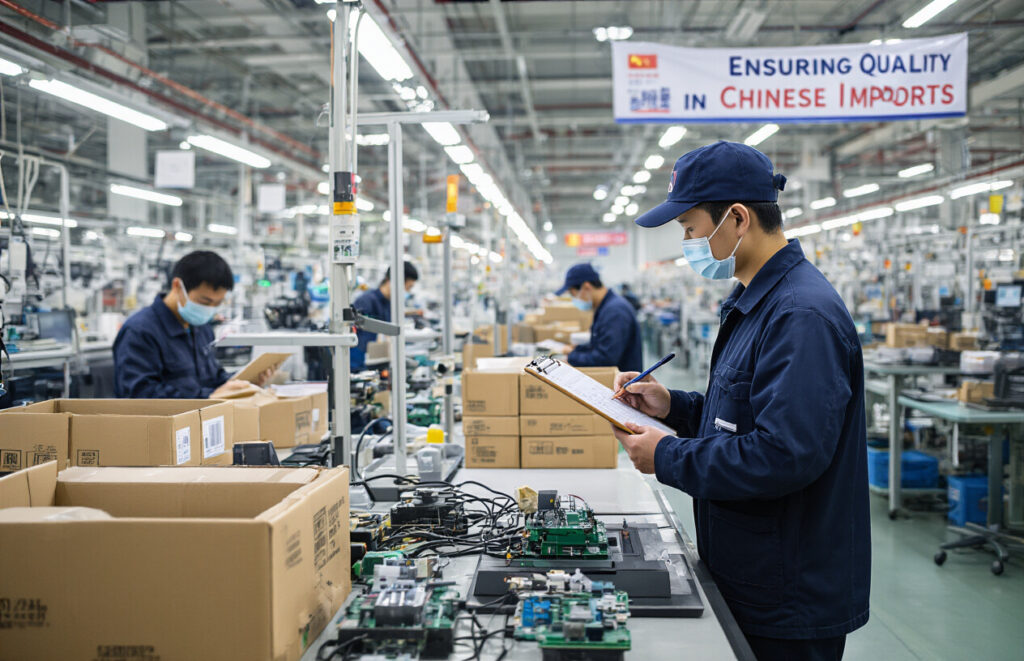
How to Check Product Quality When Importing from China
Importing products from China can be profitable, but quality issues can quickly turn a good deal into a costly mistake. For business owners and importers who source products from Chinese manufacturers, implementing a systematic quality control process is essential.
This guide will help you understand the critical stages of quality inspection when importing from China, focusing on pre-production quality checks and in-process quality control measures that prevent defects before they occur.
We’ll cover the different types of inspections needed for various product categories, show you how to establish clear quality standards with your supplier, and explain how to implement effective pre-shipment inspections to ensure your products meet requirements before shipping.
Understanding Product Categories Requiring Quality Control
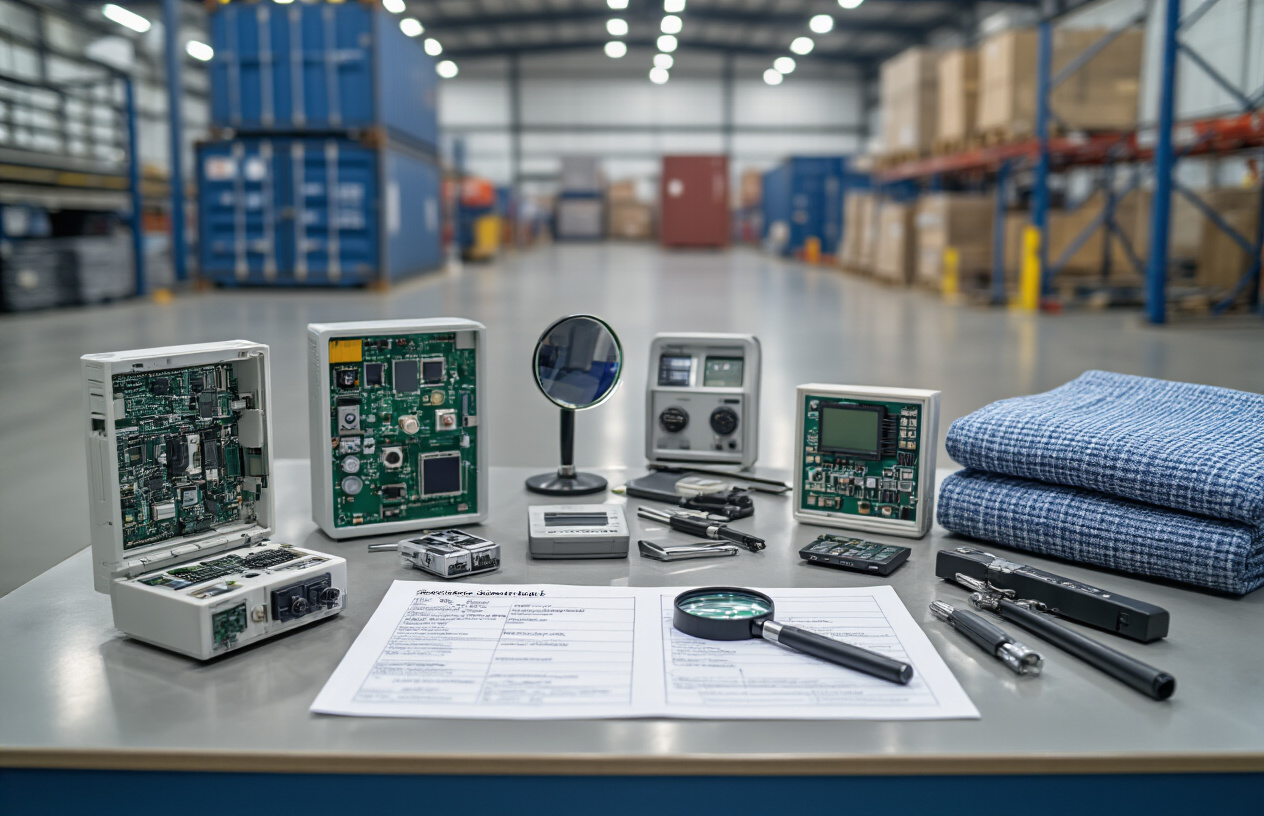
Understanding Product Categories Requiring Quality Control
When importing from China, you need to tailor your quality control approach based on the specific product category. Different products present unique quality challenges that require specialized inspection methods.
Heavy Products (Furniture, Tools, Household Items)
When sourcing heavy products such as furniture, gardening items, tools, household goods, or sanitaryware, you need to focus on structural integrity and safety. These items often require thorough load-bearing tests and finish inspections. Your quality control process should examine welds, joints, and material thickness for durability. Sports equipment, childcare products, and camping gear in this category need additional safety verification since they’re frequently used in high-stress situations or by vulnerable users.
Lightweight Products (Clothing, Textiles, Accessories)
For lightweight products including clothing, footwear, bags, and home textiles, your quality checks should emphasize fabric quality, stitching consistency, and color accuracy. When importing these items, you’ll want to verify that seams are properly reinforced and that accessories like zippers, buttons, and clasps function properly. Hair accessories, fabrics, rugs, and bedding require careful examination for material composition and finish quality to ensure they meet your specifications.
Electrical and Electronic Products
Your quality control for electrical and electronic products must be particularly rigorous due to safety concerns. Lighting, household appliances, mobile phones, and computers need functional testing and safety certification verification. Audio equipment, power tools, and medical appliances require performance testing under various conditions. When importing safety devices, automotive parts, or solar and wind components, you must ensure compliance with international safety standards through appropriate electrical testing protocols.
Industrial Equipment
With industrial equipment such as assemblies and moulds, processing tools and machinery, your quality inspection needs to focus on precision and performance metrics. Non-destructive testing methods are often required for these products to verify structural integrity without damaging the items. Large-scale machinery requires comprehensive operational testing, while industrial sand and similar materials need composition analysis. Your quality control plan for these products should include verification of tolerances and operational specifications.
Pre-production Quality Checks
A. Selecting a Reliable Supplier
When importing from China, your product quality journey begins with selecting the right supplier. You should focus on finding partners who consistently produce high-quality products and deliver orders on time. To evaluate potential suppliers, request their quality and compliance certificates—these documents help you assess their manufacturing standards. Always verify that your chosen supplier operates within trade laws governing whether products can be manufactured and sold in your target country.
B. Discussing Safety Regulations
You must understand that every country enforces specific safety laws for imported products. Before production begins, you need to discuss these regulations with your supplier to ensure compliance with your target market’s requirements. Your products must meet all applicable laws and pass necessary checks to be approved and released through customs. This step is crucial to avoid costly delays or rejections when your shipment arrives.
C. Conducting Factory Inspections
You should arrange a personal visit to the manufacturer’s facility whenever possible. If you can’t travel to China yourself, hire a professional inspector based there to check the factory on your behalf. This inspection should verify certificates, assess production line quality, and confirm the facility’s capability to meet your standards. These inspections provide valuable insights that product samples alone cannot reveal.
D. Clearly Defining Product Requirements
You need to discuss your product ideas with the manufacturer in minute detail. Clear, precise specifications help ensure the final product meets your expectations. Take sufficient time during this phase—rushing can lead to costly mishaps. Always request a sample before production begins to confirm both quality and specifications. This step allows you to make adjustments before committing to a full production run.
E. Testing Product Samples
Once your samples arrive, you should find a reputable laboratory to test the products. These tests verify that your items meet all safety requirements and perform as designed. Laboratory results provide objective confirmation that your product meets its specifications. You can use these findings to request modifications if necessary before approving mass production.
F. Evaluating Raw Materials
You must recognize that the quality and durability of your product are directly determined by the materials used in manufacturing. It’s crucial for you to check and double-check the quality of all materials and accessories before production begins. With high-quality raw materials, your finished products will be more likely to satisfy customers and comply with regulations in your target market.
In-process Quality Control
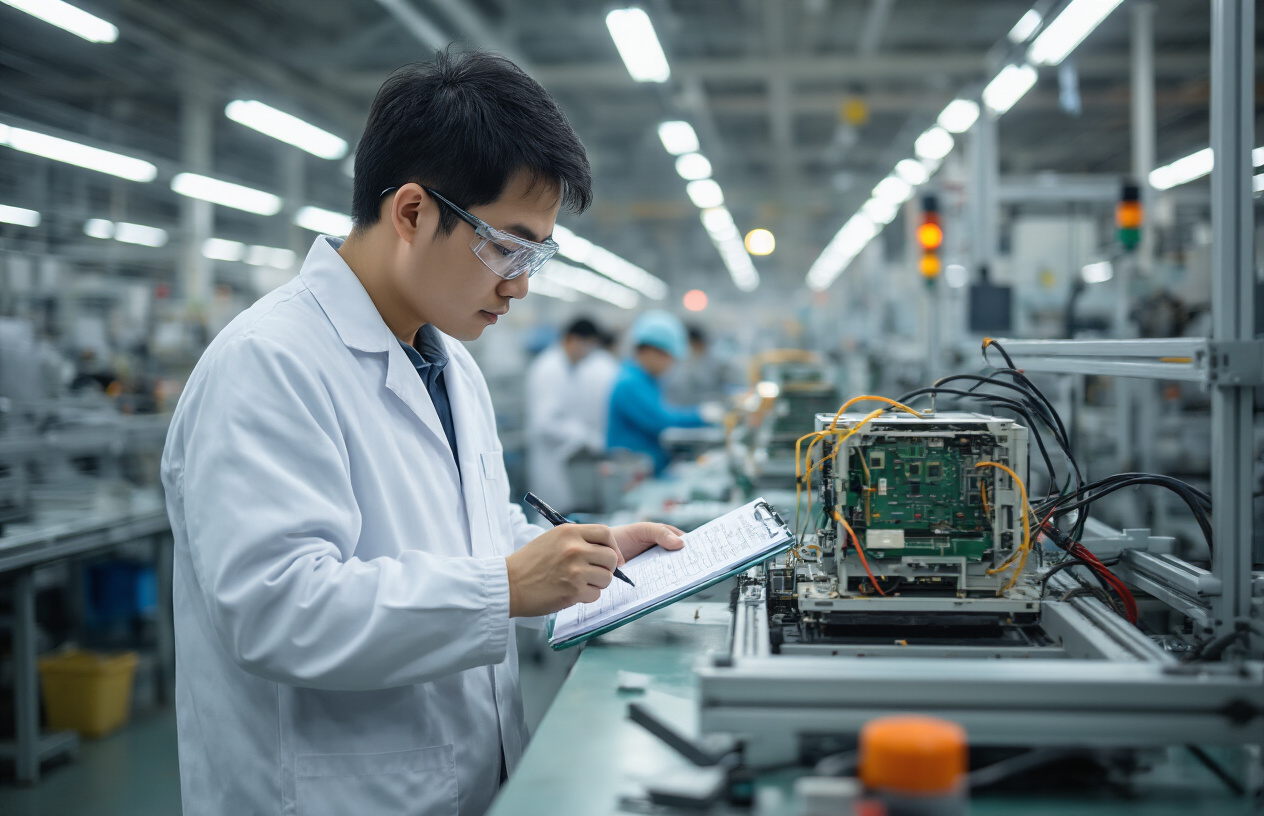
Maintaining Regular Communication with Manufacturer
When importing products from China, you need to establish consistent communication with your manufacturer throughout the production process. Regular check-ins at the factory allow you to detect problems early, before they become costly mistakes. Make sure all your correspondence is documented in writing – this includes following up on phone calls and verbal discussions with email confirmations.
You should consistently reiterate your requirements in writing to avoid misunderstandings. This paper trail becomes invaluable if disputes arise later in the production cycle. By maintaining open lines of communication, you create opportunities to address issues before they affect your entire order.
Verifying Materials Throughout Production
You cannot wait until the final inspection to verify that the correct materials are being used in your products. Material verification must happen continuously throughout the manufacturing process. By checking materials before they reach the end of the production line, you can prevent an entire batch from being produced with incorrect components.
Maintaining strict oversight on the production line gives you visibility into what actually goes into your products. This proactive approach helps ensure that the materials match your specifications and quality standards. When you verify materials during production rather than after completion, you save time and reduce the risk of costly rework.
Monitoring Production Schedule and Timelines
You must be clear about the production schedule from the beginning. Understanding lead times helps ensure your order will arrive when needed. When monitoring timelines, request regular updates on progress and be alert to any delays that might impact your delivery date.
With a clear production schedule, you can identify potential problems early and collaborate with the manufacturer on solutions before the end of the manufacturing process. This approach prevents last-minute surprises and gives you more control over the outcome.
By actively monitoring timelines, you can make informed decisions about shipping arrangements, inventory planning, and customer commitments. The transparency this creates helps build a stronger working relationship with your manufacturer while protecting your business interests.
Pre-shipment Inspection
Final Quality Verification
Now that we’ve covered in-process quality control, it’s time to focus on the critical final stage before your products leave China: pre-shipment inspection. This is your last opportunity to verify that your products meet your specifications before they’re packed and shipped.
Final quality verification serves as the ultimate checkpoint to confirm the complete success of your production run. At this stage, you’ll want to thoroughly examine your products to ensure they match your requirements in terms of functionality, appearance, and overall quality.
You should consider hiring a professional inspector for this crucial phase. Their expertise will help ensure that your product line has worked out exactly as you envisioned. Professional inspectors can identify issues that might be overlooked by untrained eyes, helping you avoid potentially costly quality problems down the line.
Compliance Checks
With your product quality verified, you’ll need to ensure all necessary compliance requirements are met. This is particularly important when importing from China, as products must comply with both Chinese export regulations and the import regulations of your destination country.
A professional inspector who is compliant with Chinese law will conduct these necessary compliance checks before shipment. They’ll verify that your products meet all relevant standards and regulations, including safety requirements, labeling requirements, and any industry-specific certifications needed for your target market.
Hiring Professional Inspectors
To properly execute both quality verification and compliance checks, you’ll need to find a qualified inspection agent. Look for professionals who are recognized and compliant with Chinese law to perform these final quality and compliance checks.
When selecting an inspector, you should consider their experience with your specific product category, their reputation in the industry, and their understanding of both Chinese export requirements and the import regulations of your destination country.
By investing in professional inspection services, you’re protecting your business from the significant risks associated with receiving substandard or non-compliant products. The cost of inspection is minimal compared to the potential expenses and reputation damage that can result from quality issues discovered after shipment.
Remember that pre-shipment inspection is your last line of defense in your quality control strategy when importing from China. Taking this step seriously can save you considerable time, money, and stress in the long run.
Conclusion
Implementing a comprehensive quality control strategy is essential when importing products from China. By following the three-stage inspection process—pre-production checks, in-process monitoring, and pre-shipment inspections—you can significantly reduce the risk of receiving substandard goods. Each step serves as a critical checkpoint to ensure your products meet all specifications and safety requirements.
Remember that quality control is an investment, not an expense. Whether you’re importing heavy products, lightweight goods, electronics, or industrial equipment, the time and resources dedicated to proper quality verification will protect your brand reputation and save you from costly returns or compliance issues. Consider working with professional inspection services in China if you cannot personally oversee the process. Your commitment to quality control today will determine the success of your import business tomorrow.